
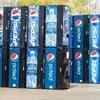

For a few weeks this year, the words "energy drink" were on their way off shop shelves in India. They are back — for now. PepsiCo, Monster and Reliance have won a reprieve against a regulator's June order that told makers of high-caffeine beverages to stop using the description altogether.
The relief matters less for what it changes today than for what it postpones: millions of cans, cartons and shelf-talkers that carry a phrase the regulator has effectively ruled misleading.
A June Deadline That Refused to Move
The sequence is short but sharp. In June, the food regulator ordered companies selling high-caffeine beverages to stop labelling or marketing them as "energy drinks." The industry pushed back and asked for more time.
That request was turned down. Officials made clear the descriptor itself was the problem, not simply how prominently it appeared on a label. It was that refusal — not the original order — that set up the current standoff.
Why Two Words Are Worth a Legal Fight
"Energy drink" is not decoration. It signals caffeine, performance and a premium price point. Strip the phrase away and a Rs 110 can risks being read as just another fizzy drink.
That is why the dispute runs through marketing budgets, trade contracts and shelf positioning — not just typography. A label change can cascade into fresh packaging cycles, new advertising creative and renegotiated retail display agreements.
The Money Sitting Behind the Shelves
India's energy drink category is projected to be worth $1.6 billion by 2028, according to the original report on the dispute. That figure is the reason three global and domestic heavyweights are contesting a labelling instruction this hard.
For context, the segment is still small next to carbonated soft drinks, but it is growing faster and carries fatter margins. Brands defend high-margin categories with far more energy than volume alone would justify.
Who Actually Catches a Break
The immediate winners are the companies named in the relief — PepsiCo, Monster and Reliance — along with their bottlers, distributors and modern-trade partners who had begun preparing for a rename.
Retailers benefit too. A forced label change mid-cycle means dead stock, reprinting costs and confused customers. Shopkeepers in India rarely get a say in such decisions, but they absorb the disruption first.
Consumers, for their part, see no change at the shelf today. The same cans, the same words, the same prices.
What the Regulator Has Said — and What It Has Not
The regulator's position so far has been procedural and firm: it rejected the industry's attempt to stall the order. It has not, on the record available, diluted the substance of that order.
That distinction is critical. A reprieve granted by a forum hearing the dispute is not the same as the regulator withdrawing its view. Nothing in the available material suggests the regulator has changed its mind about the phrase itself.
Why 'Reprieve' Is Not 'Reversal'
In regulatory language, a reprieve is breathing room. It buys time to argue, to comply, or to prepare a fallback. It does not settle the question.
Read plainly, the situation is this: companies can keep using "energy drink" while the matter is live. Whether they can keep using it next year is a separate question entirely — and one nobody has answered yet.
Confirmed Facts vs What Remains Unclear
Confirmed: The regulator ordered in June that high-caffeine beverages stop being described as "energy drinks." The industry sought a delay and was refused. PepsiCo, Monster and Reliance have since secured a reprieve.
Unclear: The precise scope and duration of that relief, whether it covers all affected companies or only those named, what a final decision would require in terms of packaging changes, and whether other high-caffeine products face similar scrutiny. Any claim that the ban has been scrapped would be speculation, not fact.
Why These Three Are Hard to Dislodge
PepsiCo's advantage in India is distribution depth — a bottling and trade network that reaches small towns where shelf space is won relationship by relationship. Monster brings global brand equity in a category built on identity as much as taste.
Reliance's edge is retail reach. With one of the country's largest store networks, it can place a product in front of shoppers faster than most rivals can print a label.
Together, that combination of distribution, brand and shelf access explains why a labelling rule affecting this category immediately becomes a negotiation rather than an instruction.
The Risks Neither Side Is Advertising
For the companies, the biggest risk is uncertainty itself. Packaging decisions are made months ahead. If the relief collapses later, they could be left with inventory carrying a phrase they can no longer use.
There is also a reputational angle. Public health advocates argue that "energy drink" implies a functional benefit that high-caffeine products do not always deliver, particularly for younger consumers. If that argument gains ground, winning a delay may look less like a victory and more like borrowed time.
For the regulator, the risk runs the other way. A contested order that drags on can look like a rule that cannot be enforced, which weakens the signal to the rest of the food and beverage industry.
A Pattern That Goes Beyond Energy Drinks
India is not an outlier here. Countries including Chile and Mexico have introduced front-of-pack labelling regimes in recent years, pushing manufacturers to simplify claims on packaged food and drink.
The direction of travel is consistent: regulators want clearer, less persuasive language on packs. Energy drinks are simply the category where the gap between marketing language and the contents is easiest to argue about.
What Shoppers, Parents and Retailers Should Do Now
Nothing changes at the till yet. If you buy these products, the label you see today is the label you will see until a final decision lands.
For parents and first-time buyers, the more useful habit is reading the caffeine content printed on the pack rather than the category name on the front. The descriptor is what is under dispute; the numbers are not.
Retailers and distributors should avoid over-committing to new packaging stock until the position settles, and keep an eye on trade circulars from their suppliers.
What Could Happen Next
Three outcomes are plausible, and only one is clean. The relief could hold while a fuller hearing plays out, buying months. The regulator could tighten enforcement again with a clearer compliance deadline.
Or the two sides could land on a middle path — a modified descriptor, additional caffeine warnings, or a phased transition that lets existing stock sell through. None of this can be confirmed until an official order is issued.
Our Take
The reprieve is a genuine win for PepsiCo, Monster and Reliance, but it is a win on timing, not on principle. The regulator's core objection — that "energy drink" sells an idea the product may not fully support — remains standing.
What this episode really reveals is how much of India's packaged-beverage business rests on a phrase rather than a formula. That is a fragile place for a $1.6 billion market to sit, and both sides know it.
Frequently Asked Questions
What is the energy drink label ban in India?
It refers to a June order by India's food regulator directing makers of high-caffeine beverages to stop describing their products as "energy drinks." The dispute is about the wording on the pack, not a ban on the beverages themselves.
Which companies won the reprieve?
PepsiCo, Monster and Reliance secured the relief, according to the original report. The order itself applied to makers of high-caffeine beverages sold under the "energy drink" description.
Does the reprieve mean the ban is cancelled?
No. A reprieve pauses enforcement or buys time; it does not withdraw the regulator's underlying position. The regulator had