
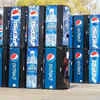
A single word on a can — "energy" — has pulled two of the world's biggest beverage companies into an Indian courtroom. India's food safety regulator has argued that PepsiCo and Monster used that label in a way that misleads shoppers, and the case is now being read as a test of how far an Indian regulator can reach into a global brand's packaging.
What sounds like a technical dispute over terminology is anything but. In food law, the category a drink is filed under decides how much caffeine it may contain, which warnings must be printed, and how it can be advertised. Change the category, and you change the rules that apply to the product.
What India's Regulator Is Actually Alleging
The core of the case, as reported, is that the companies marketed their products under an "energy drink" label in a manner that could deceive consumers. The regulator's position is that the labelling — not merely the liquid inside — is where the problem lies.
That distinction matters in food regulation. A product positioned as an "energy drink" is often understood by shoppers to be a functional, stimulant-led beverage. A product treated as an ordinary carbonated drink invites a different set of expectations, limits and disclosures.
A Single Word on a Can Carries Legal Weight
Labels are the only piece of marketing a consumer sees while standing in an aisle with seconds to decide. That is why regulators treat them as a safety instrument, not an advertising surface.
Caffeine limits, ingredient declarations, advisory warnings for children and pregnant women, and permissible health-adjacent claims are typically tied to the category a beverage is registered under. If the category name is used loosely, the rules attached to it loosen with it.
How a Labelling Dispute Became a Courtroom Test
The case did not emerge in isolation. According to the original report, it sits inside an unprecedented food safety crackdown in India — one that has moved from inspections and recalls towards litigation against large, well-resourced manufacturers.
That shift is significant. Taking on multinational brands in court is expensive, slow and reputationally sensitive for both sides, which is why regulators usually prefer negotiated corrections. Pursuing a judicial ruling suggests the regulator wants a precedent, not just a relabelled shipment.
The Consumer at the Centre of the Argument
For a parent buying a chilled can at a Bengaluru supermarket or a student picking one up at a Delhi petrol station, "energy drink" reads as a promise. It implies a precise function: alertness, stimulation, performance.
If that promise is being used primarily to slot a product into a friendlier regulatory category rather than to describe it accurately, the person who loses is the shopper who cannot verify the difference from the outside of the can.
Where PepsiCo and Monster Stand — and What They Haven't Said
The regulator's allegation is now on the record in legal proceedings. Full public responses from PepsiCo and Monster were not available in the source material reviewed for this report, and none are attributed to them here.
Both companies, in general, have historically defended their labelling as compliant with local regulations. Whether that defence is formally advanced in this matter, and in what terms, remains to be seen in filings and hearings.
Confirmed Facts vs What Remains Unclear
Confirmed: India's regulator has raised the "energy drink" labelling allegation against PepsiCo and Monster; the dispute is before a court; the case forms part of a wider food safety enforcement push.
Unclear: the specific product lines named, the exact statutory provisions invoked, the relief sought, and the timeline for a ruling. Readers should treat commentary asserting any of these details as unverified until court records or official statements confirm them.
A $1.6 Billion Market Is the Backdrop
The stakes explain the intensity. Euromonitor data cited in the report projects India's energy drinks market to reach $1.6 billion by 2028, expanding at 12.6% annually — faster than the United States and China.
That growth is why a labelling rule is worth fighting over. In a market adding double digits every year, a ruling that forces a category rethink affects not just two brands but every challenger planning a launch.
Why the Two Brands Are So Hard to Push Out
PepsiCo's advantage is distribution: a chilled-cabinet presence built over decades across kirana stores, modern trade and petrol retail, backed by a portfolio that funds shelf space. Monster's advantage is identity — it largely created the modern energy-drink aesthetic and owns the cultural meaning of the category it is now being asked to justify.
Together, those moats mean regulatory pressure rarely removes a product. It more often reshapes the label, the price pack, or the sub-category it is sold under.
The Case for Caution: What a Crackdown Could Get Wrong
There is a credible counter-argument. "Energy drink" is a globally recognised category name with an established consumer meaning; forcing brands to abandon it could make shelves more confusing, not less.
Critics of aggressive enforcement also warn about over-reach, regulatory inconsistency across categories, and the risk that compliance costs are passed to consumers through higher prices. A precedent that is too broad could chill legitimate product innovation.
This Fight Is Bigger Than Two Cans
India is not the only market tightening its grip on front-of-pack claims. From sugar warnings to caffeine disclosures, regulators worldwide are moving from policing ingredients to policing the words used to sell them.
What makes the Indian case notable is its timing — arriving while the category is still growing fast enough that labelling decisions made now will define the market for a decade.
What Shoppers Should Do Differently This Week
Read the ingredient panel, not the front of the can. Look for caffeine content per serving, total sugar, and whether a cautionary advisory appears at all.
Treat "energy" as a description of intent rather than a regulated guarantee. And if a product's category label seems to contradict its ingredient list, that discrepancy is worth flagging to the regulator.
What Happens Next
The next meaningful signals will come from court filings and hearings rather than press cycles. Watch whether the regulator seeks a product-specific correction or a broader ruling on category naming — the second would carry far greater consequences.
Also watch how quickly competitors adjust their packaging. Voluntary relabelling by other brands would be the clearest sign that the industry expects the regulator to win the principle, even before a verdict.
Our Take
This is a small case with a large question inside it: in a fast-growing category, who gets to define what a word means — the marketer who popularised it, or the regulator who must protect the person reading it in an aisle?
Both brands can survive a relabelling order. What the industry cannot survive is ambiguity, because ambiguity is what makes enforcement arbitrary. A clear, consistently applied rule on category naming would be better for consumers and, in the long run, for the companies that have to build products around it.
Frequently Asked Questions
What is India's case against PepsiCo and Monster about?
India's food safety regulator has alleged that the two companies marketed their products with an "energy drink" label in a way that could mislead consumers. The dispute is being heard in court and forms part of a wider food safety enforcement drive.
Have energy drinks been banned in India?
No ban has been reported in this case. The dispute concerns labelling and how the category is described to consumers, not a prohibition on sales.
Why does the word "energy drink" matter legally?
Beverage categories carry different requirements for caffeine limits, ingredient declarations and warning labels. The category name determines which of those obligations apply, which is why regulators treat it as a compliance issue rather than marketing copy.
How large is India's energy drinks market?
Euromonitor data cited in the original report projects the market to reach $1.6 billion by 2028, growing about 12.6% a year — faster than the United States and China.