
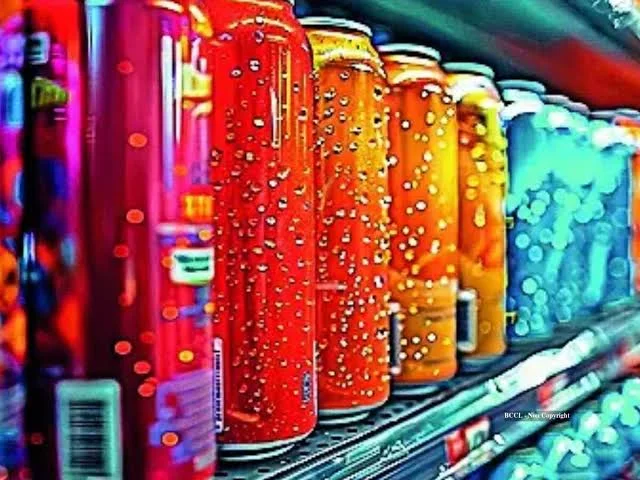

Three words on a can are now worth fighting over. On June 30, India's food safety regulator told makers of high-caffeine beverages to stop calling them "energy drinks." Two of the world's biggest beverage companies have pushed back — and the reason they give is not health, but business.
What the June 30 directive actually asks companies to drop
The order targets a description, not a drink. Companies selling high-caffeine beverages under the "energy drink" label were directed to stop using that phrase on their products.
India's food safety regulator — the Food Safety and Standards Authority of India — has tied the move to growing concern about the health risk of such products. Reporting describes the action as part of an unprecedented food safety crackdown, which explains why the industry is treating a labelling instruction as a serious commercial event.
Why a label is a business decision, not a marketing detail
On a crowded shelf, "energy drink" does at least three jobs. It separates the product from colas and juices, it signals a function rather than a flavour, and it supports a premium price for a small can.
Strip the phrase away and a high-caffeine beverage starts competing in the general soft-drink aisle — a very different fight. That is the commercial logic behind the pushback, and it is the reason the companies have framed their challenge around business impact.
Sting, Monster and the portfolios caught in the middle
PepsiCo's India portfolio includes Sting, one of the country's best-known high-caffeine beverages. Monster Energy is a global brand built almost entirely on the same category promise.
For both, the disputed phrase is not decorative. It sits close to the identity of the product and, by extension, to how consumers find it.
The health argument the regulator is resting on
The regulator's concern is the caffeine load these products carry and how they are perceived by consumers who read "energy" as a benefit.
That concern is not unique to India. Beverages marketed on stimulant content have drawn scrutiny in several markets, and the regulatory question is usually the same: where does a beverage end and a stimulant product begin?
What PepsiCo and Monster are arguing — and what is still unknown
According to available reporting, both companies have challenged the directive and cited business impact. What is not confirmed is the forum they have approached, the specific legal grounds, and whether any interim relief has been sought or granted.
Their argument, as reported, leans on commercial harm rather than a direct dispute over health evidence. That distinction matters: it shapes whether this becomes a labelling case or a wider fight over regulatory power.
Confirmed facts, contested claims, open questions
Confirmed: the June 30 directive exists, it addresses the "energy drink" description, and it stems from health-risk concerns. Confirmed too is that PepsiCo and Monster have challenged it, citing business impact.
Contested: how much of the category's value actually depends on those two words, and whether the regulator's health rationale justifies a label-level intervention. Open: whether any transition period applies, and what happens to stock already on shelves.
The moat question: why these two can afford a long fight
PepsiCo's strength in India is distribution — a bottling and retail network that reaches small towns as efficiently as metros. Monster's strength is brand equity built over decades in the global energy category. Both give the companies the patience and the legal budget to contest a directive rather than simply comply.
But a strong moat does not settle a regulatory question. It only decides who can stay in the argument longest.
Risks on both sides of this label fight
For the companies, a prolonged dispute risks consumer attention shifting to caffeine content — the least flattering frame for a premium product. Compliance, meanwhile, costs money in packaging redesign, advertising changes and unsold inventory.
For the regulator, the risk runs the other way. If the directive is diluted or delayed, it invites questions about how far a labelling order can go without a full regulatory amendment behind it.
A wider pattern: labels are becoming regulated ground
This is one front in a broader shift. Regulators globally are moving from what is inside a product to what is written on it — claims, descriptors and categories that shape buying decisions before anyone reads an ingredient list.
For beverage companies, that means the most valuable asset on a can may no longer be the formula. It may be the words.
What readers, retailers and investors should watch
Consumers: nothing changes immediately — the directive concerns the description, not the availability of the drinks. Retailers: shelf signage and category labels are worth reviewing. Investors: watch for any disclosure from PepsiCo or Monster on India-specific compliance costs or litigation, and treat unverified social media claims about a nationwide product ban with caution.
For students of food regulation, this is a clean case study in how the definition of a product category becomes a legal battleground.
What could happen next
Three paths are plausible. The directive holds and companies reposition their packaging. It is modified to allow a qualified description with clearer caffeine disclosures. Or the challenge extends the timeline, leaving the category in limbo for months.
None of these outcomes can be predicted from what is currently confirmed.
Our Take
This story is easy to misread as a corporate fight against a health rule. It is more interesting than that. It is a fight about vocabulary — and vocabulary, in consumer markets, is pricing power.
The regulator is right that a phrase can shape health behaviour. The companies are right that a phrase can build a business. The outcome will set a precedent for how far Indian food regulation can reach into language itself.
Frequently Asked Questions
What did India's food safety regulator order on June 30?
It directed makers of high-caffeine beverages sold as "energy drinks" to stop using that description, citing growing concern about the health risk of such products.
Why are PepsiCo and Monster challenging the order?
According to available reporting, both companies have challenged it citing business impact. The "energy drink" description is central to how these products are positioned and priced.
Does the order ban these drinks in India?
No. The directive reported so far concerns the use of the "energy drink" description, not a ban on the beverages themselves.
Will Sting and Monster Energy be renamed in India?
That is not confirmed. It depends on the outcome of the challenge and any transition arrangements the regulator allows.